If you get paid across borders, you’ve probably heard “just use USDC.” But what is a stablecoin really, why does it hold its value, and when does converting your earnings actually help? No hype — here’s the practical version.
What a stablecoin is
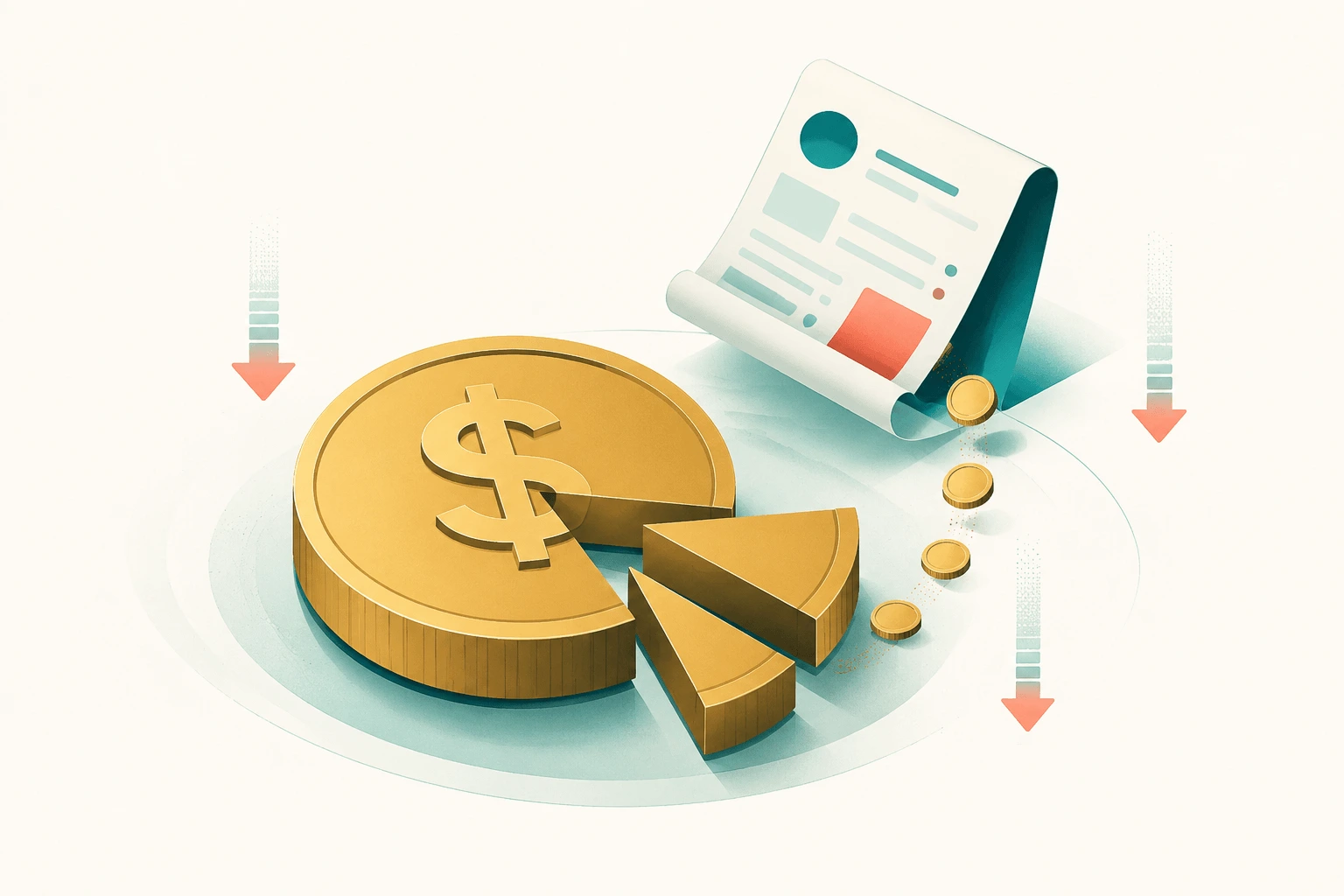
A stablecoin is a digital token designed to track the value of a real-world currency — usually the US dollar. The best-known is USDC, where each token is meant to be worth exactly $1 and is backed by reserves of cash and short-term US Treasuries.
Unlike Bitcoin, a stablecoin isn’t meant to go up. Its entire job is to stay still — a dollar that moves at internet speed.
Why it stays pegged
The peg holds because reputable issuers promise 1:1 redemption: hand back a USDC token, get a dollar. As long as the reserves are real and audited, arbitrage keeps the market price glued to $1. This is also where the risk lives — a stablecoin is only as sound as its reserves and issuer, so it’s worth knowing whose coin you hold.
Why freelancers care
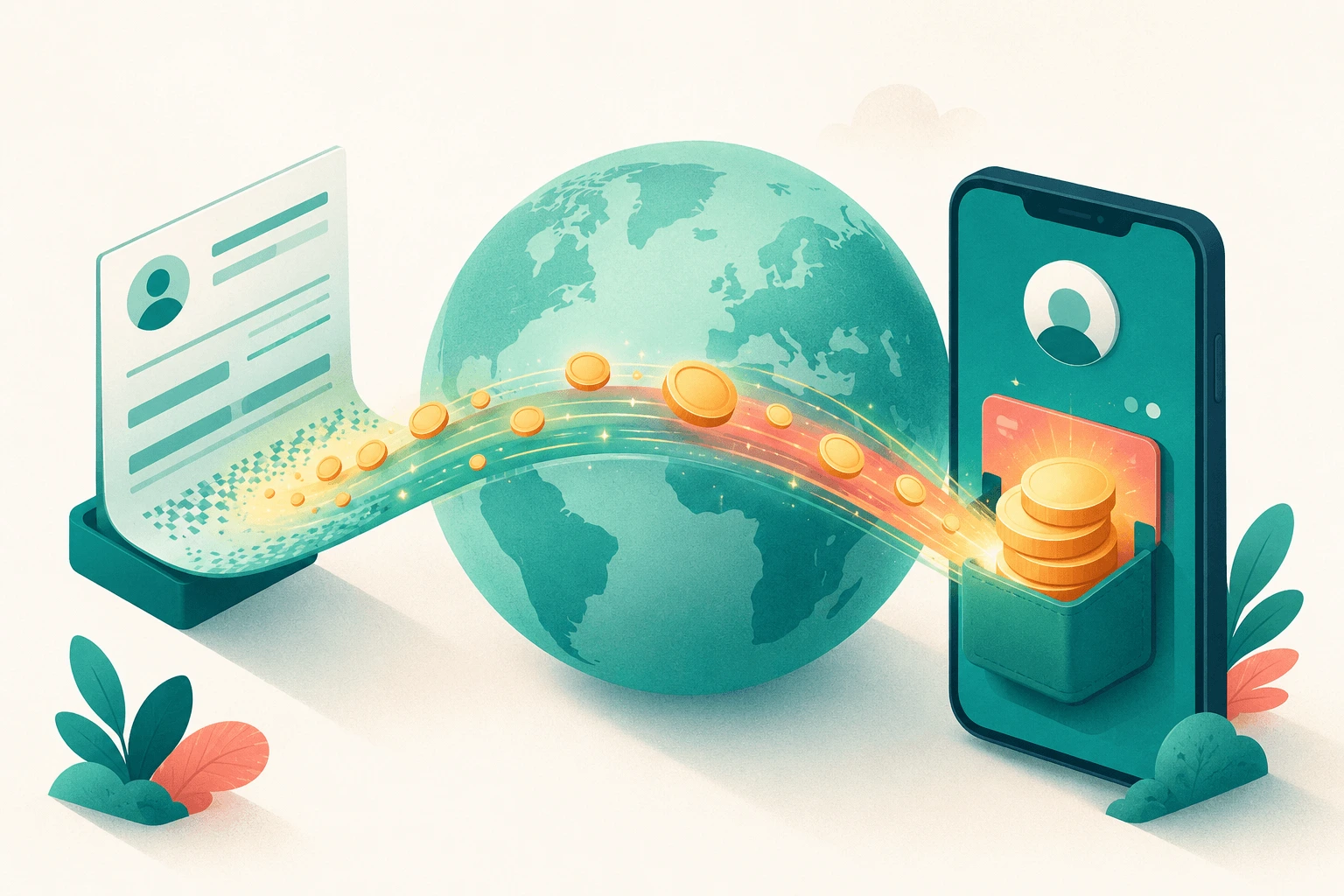
- Speed. Stablecoins settle in minutes, any day of the week — no “business days.”
- Dollar stability without a US bank. You can hold value in dollars even where local banking is hard.
- A hedge against local inflation. If your home currency slides, dollars held as USDC keep their purchasing power.
When converting makes sense
Holding USD is the right default for most freelancers — you bill in dollars, so keeping dollars avoids needless round-trips. Convert to a stablecoin when you specifically want to:
- Move money quickly outside banking hours
- Hold dollars in a self-custodied wallet
- Pay a counterparty who settles in crypto
With Rakupay you can move between USD and stablecoins in a tap at transparent rates — see how the card and conversion work. The point isn’t to gamble on crypto; it’s to give your dollars another gear when you need it.
The bottom line
A stablecoin is a tool, not a bet. Used deliberately — to settle fast, hold dollars, or bridge a payment — it’s a genuinely useful part of a global freelancer’s kit. Just always know what backs the coin you’re holding.